
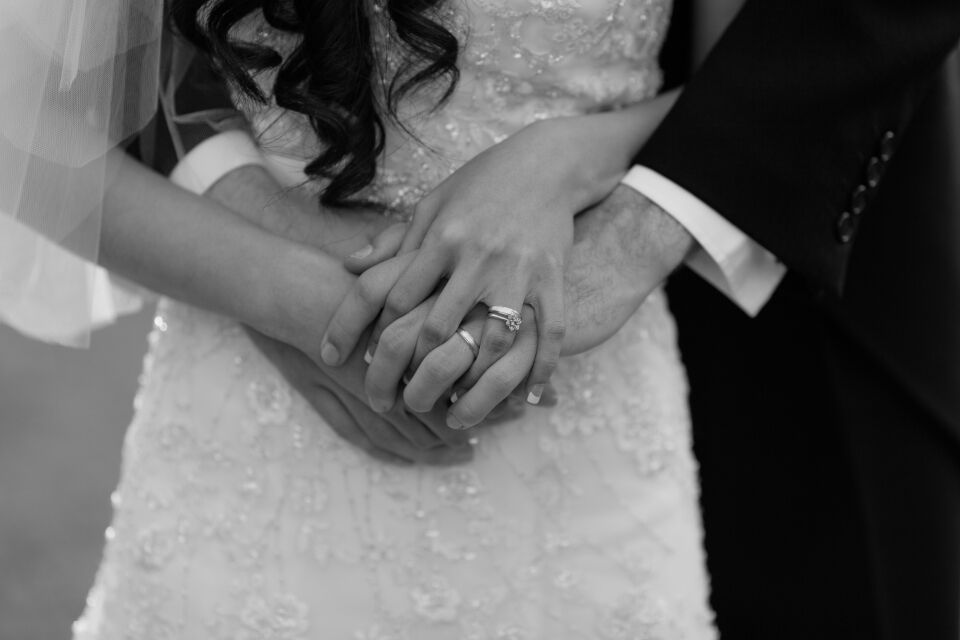
A will is easy to forget once it is signed and filed away. Yet a wedding, a separation or a divorce can quietly change what that document does. Some of these changes happen automatically under state law. Others do not happen at all, which can be just as much of a problem.
This guide explains how marriage and divorce can affect a will in Australia. It also covers the gap that separation can leave open. The rules sit in state and territory laws, so the detail depends on where you live. Use it as a starting point before you speak with a lawyer, including through an online legal advice service.
Getting married can cancel an existing will
Many people are surprised to learn that marriage can revoke a will. In New South Wales, section 12 of the Succession Act 2006 says that getting married revokes a will. That rule is subject to certain exceptions. The NSW Trustee and Guardian explains the effect of a change in relationship status in plain terms.
Victoria takes a similar approach. Legal Aid Victoria says that marrying or remarrying automatically cancels your will. The exception is where the will clearly shows you were planning that marriage when you made it. This is why some wills are written with a coming marriage in mind and say so.
If a will is cancelled and no new one is made, the intestacy rules apply instead. NSW Trustee and Guardian notes that a surviving spouse could then receive the whole estate. That outcome can change if there are children from a previous relationship. For many families, that is not what the person who died would have chosen.
What a divorce does to your will
Divorce works differently from marriage. It does not usually cancel the whole will. Instead it targets the parts that deal with your former spouse. In NSW, a divorce will generally cancel your former spouse’s appointment as executor, trustee or guardian under the will.
Gifts in the will to your former spouse are also generally cancelled in NSW. Even so, NSW Trustee and Guardian warns that certain things relating to a former spouse might remain. In Victoria, Legal Aid Victoria says the will generally takes effect as if the divorced spouse had died before you. Either way, the rest of the will may still stand, and it may no longer fit your life.
Think about who is left once your former spouse is written out. A backup executor may now be in charge. Gifts may pass to people you named years ago for different reasons. If you are part way through the process for getting a divorce, this is a good time to read your will again.
Separation leaves your old will in place
Separation is where many people get caught out. A will is not cancelled just because a couple has separated. Legal Aid Victoria says that if you separate, your former partner will still get your property unless you make a new will. The same page says you should make a new will after the break up of any relationship.
NSW Trustee and Guardian gives an example of this risk. In that example, a separation had no effect on the will because the divorce was not finalised. The former husband went on to inherit. Across Australia you must be separated for 12 months before a court will grant a divorce.
That waiting period can be a long time to leave an old will untouched. Separation often comes with other money questions as well. Our article on whether your financial future is secure after divorce looks at the wider picture. Your will is one piece of that picture and it is easy to fix early.
De facto couples and new partners
De facto relationships raise their own questions. Without a valid and current will, a de facto partner may have to prove the relationship existed. NSW Trustee and Guardian says this can add expense and distress for the surviving partner. A clear will can spare them that extra step.
The way a will is affected when a de facto relationship ends is not the same in every state. The laws are set by each state and territory and they change over time. That is a good reason to get advice where you live rather than relying on a general rule. A short consultation is often enough to confirm where you stand.
Children and guardians
Many parents use a will to name a guardian for their children. As noted above, a divorce in NSW will generally cancel the appointment of a former spouse as guardian under your will. That may or may not be what you want. It depends on your family and on the arrangements already in place.
A will is separate from the day to day care plans made after separation. Our guide on whether parenting arrangements are legally binding explains how those plans work. Looking at both together helps your wishes line up. It also avoids leaving gaps if something happens to you.
How to update your will
Legal Aid Victoria says you can change your will as often as you like. A codicil can be used to amend a will, but it is meant only for minor changes. If a codicil causes confusion, it may be found invalid. For bigger changes, the page says the best way is to make a new will.
Making a new valid will cancels your old one. Legal Aid Victoria suggests stating on the new will that you revoke all previous wills. NSW Trustee and Guardian says a new will does not need to be complex, time consuming or costly. A lawyer can check the signing and witnessing steps for your state so the new will holds up.
A will should be read again whenever your life changes in a big way. It does not have to wait for a crisis. A few moments in life are good prompts to review your will:
- getting engaged or married
- separating from a spouse or de facto partner
- a divorce order taking effect
- starting a new relationship
- the birth of a child or grandchild
Getting advice early usually costs less than sorting out problems later. Our article on how the right legal advice can help you minimise risks and losses covers this in more detail. Online legal advice can make that first step easier to fit around work and family. You can share your current will and ask what needs to change.
Frequently asked questions
Does getting married cancel my will?
In NSW and Victoria, marriage generally revokes an existing will. There are exceptions, such as a will that clearly shows it was made with that marriage in mind. Other states and territories have their own rules. Check the law where you live or speak with a lawyer.
If I separate, is my will still valid?
Yes, separation on its own does not cancel a will. Your former partner may still inherit under your old will. Legal Aid Victoria suggests making a new will after a relationship ends. Doing this early closes the gap before any divorce is final.
Does divorce cancel my whole will?
Generally, no. In NSW, divorce usually cancels gifts to a former spouse and their appointment as executor, trustee or guardian. Other parts of the will can remain in force. Reviewing the whole document is the safest way to make sure it still reflects your wishes.
Can I just add a note to my will?
Small changes can be made with a codicil. Codicils are meant for minor changes and can be found invalid if they cause confusion. For a change of relationship, a new will is usually the clearer option. A lawyer can tell you which approach suits your situation.
This article is general information about Australian law and is not legal advice. Laws and processes differ between states and territories and change over time. Please speak with a qualified lawyer about your own situation.